
Inherited Violence and Choice
The Girl with the Dragon TattooThe novel contrasts the explanations offered by abusive upbringing with the moral responsibility of those who choose to continue violence.
increasing Bearing strength in each event
 decreasing
Bearing strength in each eventdecreasingThe Nazi Father

Ideological Cruelty
The Background
Richard Vanger and Harald Vanger embrace racial nationalism and authoritarian fantasies.
The Legacy
The family normalizes contempt, hierarchy, and violence.
Political extremism becomes an atmosphere for later abuse.
Gottfried's Formation
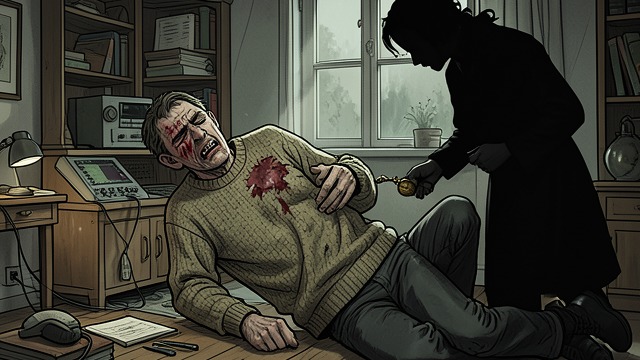
Abuse Reproduced
The Victim
Gottfried Vanger is beaten and marginalized by his family.
The Perpetrator
He later turns violence outward against women.
The novel acknowledges causation without granting absolution.
Martin's Inheritance
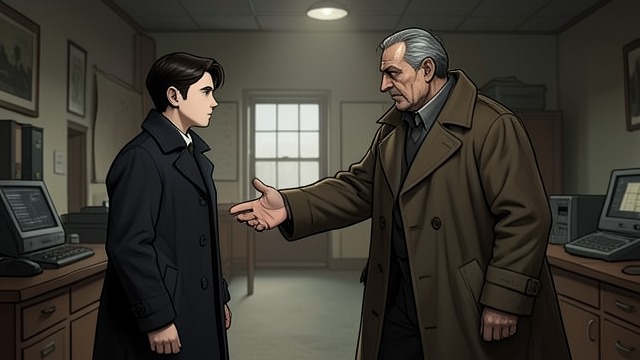
The Son Initiated
The Teaching
Gottfried Vanger involves Martin Vanger in sexual violence and murder.
The Choice
Martin Vanger absorbs the pattern and later continues it independently.
Inheritance becomes a temptation, not a destiny.
Salander's Rejection

No Excuse for Predators
The Argument
Lisbeth Salander rejects the idea that abuse explains away Martin Vanger's crimes.
The Principle
She insists that perpetrators choose rape and murder.
Her judgment protects accountability from psychological simplification.
The Moral Distinction
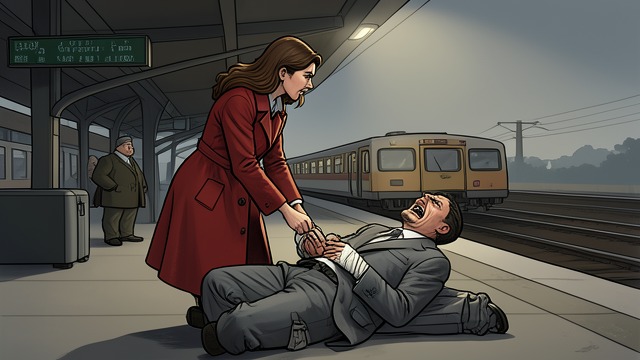
Survivors and Perpetrators
The Difference
Harriet Vanger's killing of Gottfried Vanger is framed as desperate survival, not predatory violence.
The Judgment
The novel distinguishes resistance under coercion from chosen cruelty.
Moral responsibility depends on power and agency.
1920s to 1940s
1950s
1962 to 1966
July 28
December 30
